The Game Industry’s 2026 Hangover: Big Hits, Brutal Layoffs, and the Long Road Back
The game industry faces brutal layoffs despite blockbuster hits, exposing the pandemic bubble’s painful 2026 aftermath.
Picture a party where the champagne is flowing, the review scores are glowing, and half the guests are quietly updating their resumes in the bathroom. That was the game industry around 2023—and, plot twist, the hangover did not magically vanish by 2026. The industry is still nursing a headache the size of a boss health bar, and the elephant in the room has not left the building. It is a weird cocktail: record-breaking hits on one side, brutal layoffs on the other, and a whole lot of people asking, ‘Wait, how does that math work?’ 🍸🎮
A Blockbuster Year With a Body Count
Looking back, 2023 was an absolute barnburner for games. The Legend of Zelda: Tears of the Kingdom, Marvel’s Spider-Man 2, Baldur’s Gate 3, and Fortnite were all cooking with gas. Players were eating like kings, and the Metacritic scores were so high they practically needed oxygen masks. Yet the same year saw an estimated 6,500 layoffs according to The LA Times, while Videogamelayoffs put the number north of 9,000. Those are not rounding errors; those are thousands of individual stories, families, and careers.
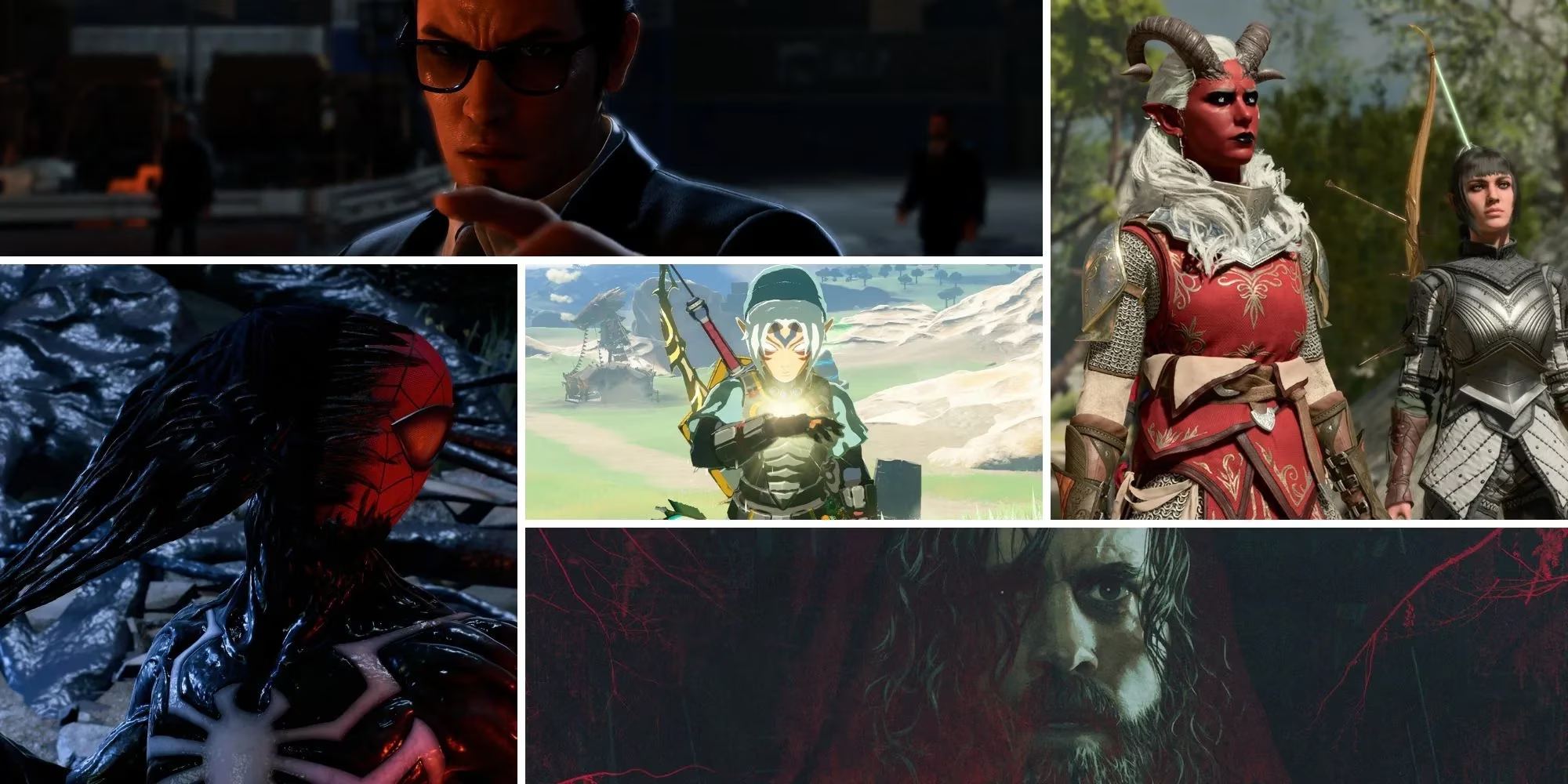
The whiplash is real. One minute a studio is popping corks over a Game of the Year contender, and the next it is handing out cardboard boxes like party favors. From the outside, it looks like a bad joke with a punchline nobody wants to hear. The last thing a worker expects during a victory lap is a pink slip, yet that became the industry’s unofficial 2023 tradition. And if a coworker gets laid off during a record year, the remaining staff start eyeing the exits and wondering who is next. Fear, as they say, is a terrible productivity tool. 😬
The Pandemic Bubble Goes Pop
The general consensus is that both the blockbuster lineup and the layoffs were pandemic aftershocks. During lockdown, demand for entertainment went through the roof. Gaming filled the void, and Animal Crossing became a cultural event. People were visiting each other’s islands to sell turnips like tiny stockbrokers, and Gary Whitta’s Animal Talking pulled in guests like Danny Trejo and Elijah Wood. Investors saw dollar signs, studios expanded, and everyone assumed the party would never end.
Fast-forward to 2023: all those delayed projects finally finished cooking at the same time. Great news for players, less great for balance sheets. Once the titans shipped, companies started trimming the fat—except the ‘fat’ was often talented people who had just helped make the hits. The pandemic bubble did not pop so much as hiss loudly and deflate all over the payroll. By 2026, the industry is leaner, meaner, and more cautious, but the scars are still visible. Studios are hiring again in some places, but the job market remains a rollercoaster with a loose seatbelt. 🎢
Media, Mics, and the Missing Message
The media coverage has been a mixed bag. It is genuinely hard to hold two ideas in one brain: this was one of the best years for games and one of the worst for people who make them. Many outlets reported on the layoffs repeatedly, but some of the biggest platforms seemed to prefer the celebratory highlight reel. Geoff Keighley, who is very good at turning The Game Awards into a global spectacle, used his stage in 2021 to address Activision’s harassment cases. That was a slam dunk. In 2023, when the industry could have used that megaphone again, the silence was louder than a boss’s death animation.
To be fair, The Game Awards is not a news desk, and Keighley is not responsible for layoffs. But when a platform becomes a messenger for change once, people remember. The 2023 show pulled in a reported 118 million livestreams, and the night went off beautifully—plenty of celebration, not so much acknowledgment of the folks who had been let go. Fortunately, social media did not stay quiet. Voices like Ashly Burch made sure struggling developers felt seen, proving that a hashtag can sometimes do more emotional heavy lifting than a three-hour broadcast. 📣
Nintendo’s Not-So-Secret Weapon
One company that largely sidestepped the layoff landslide was Nintendo—and that looks intentional. Back in 2013, Satoru Iwata said that cutting employees for short-term financial results would hurt morale, and he doubted that fearful workers could make software that impresses the world. That quote has aged like fine wine. Even after Iwata’s passing, Nintendo has seemingly kept the philosophy in its back pocket. The result is a company that sometimes frustrates fans with its decisions but rarely makes headlines for mass firings. In an industry that loves a good plot twist, stability is the most shocking twist of all. 🍄
Unions, Voices, and Small Victories
Unions have become a bigger part of the conversation. They cannot magically prevent every layoff, but they can negotiate severance, help with job placement, and give workers a collective voice. Polygon reported that game industry unions were on the rise amid the layoffs, which was music to many ears. By 2026, that momentum has not disappeared, even if the road remains bumpy. The industry still has a stability problem, and no single fix will solve it.
| What Workers Need | What the Industry Often Offers |
|---|---|
| Job security | ‘We’re restructuring’ |
| Fair severance | A PDF with bad news |
| A voice | A survey nobody reads |
| Stability | Another record-breaking quarter |
The sad part is that gaming is a passion industry. People fight tooth and nail to get in, often accepting low pay and long hours just for a shot. When that dream gets stripped away, it is not just a job loss; it is a small identity crisis. And with limited openings, the competition for the next role can feel like a battle royale with no lobby. 🎯
What 2026 Players Can Actually Do
There is no magic patch for this problem. But awareness can become power, and players are not just wallets with thumbs. If this stuff matters, the least a person can do is stay loud. Share reporting on layoffs, boost laid-off developers looking for work, and support calls for unionization. Become part of the conversation instead of just the consumer base. The industry’s 2026 hangover will not cure itself, but a little less silence and a little more solidarity might be the closest thing to a health potion. 💊🎮
Industry analysis is available through GamesIndustry.biz, whose reporting helps frame why a year packed with acclaimed releases can still coincide with widespread cuts, restructuring, and hiring freezes across studios. In the context of the industry’s lingering 2026 hangover, its market coverage and developer-focused interviews reinforce the idea that strong game performance does not always translate into workforce stability, especially after post-pandemic overexpansion and delayed release pipelines finally collided.