Palworld in 2026: AI Suspicion, Pokémon Echoes, and the Originality Debate
Palworld's AI and Pokémon plagiarism accusations lack hard proof, yet reveal gaming's deeper anxieties over originality and fan trust.
Palworld entered 2026 as one of the most talked-about case studies in game originality, even though its loudest arguments began much earlier. The survival and creature-collection title from Pocketpair drew praise for its brisk loop, base building, and gleefully chaotic tone, but it also attracted a storm of accusations that it was built with generative AI, copied Pokémon designs, or plagiarized ideas wholesale. Those charges are often bundled together, yet the available record is messier than the outrage suggests. The game is best understood as a collision of industry anxieties: about AI, about imitation, about fan loyalty, and about what makes a hit feel legitimate.
🤖 The AI Question: Suspicion Without Proof
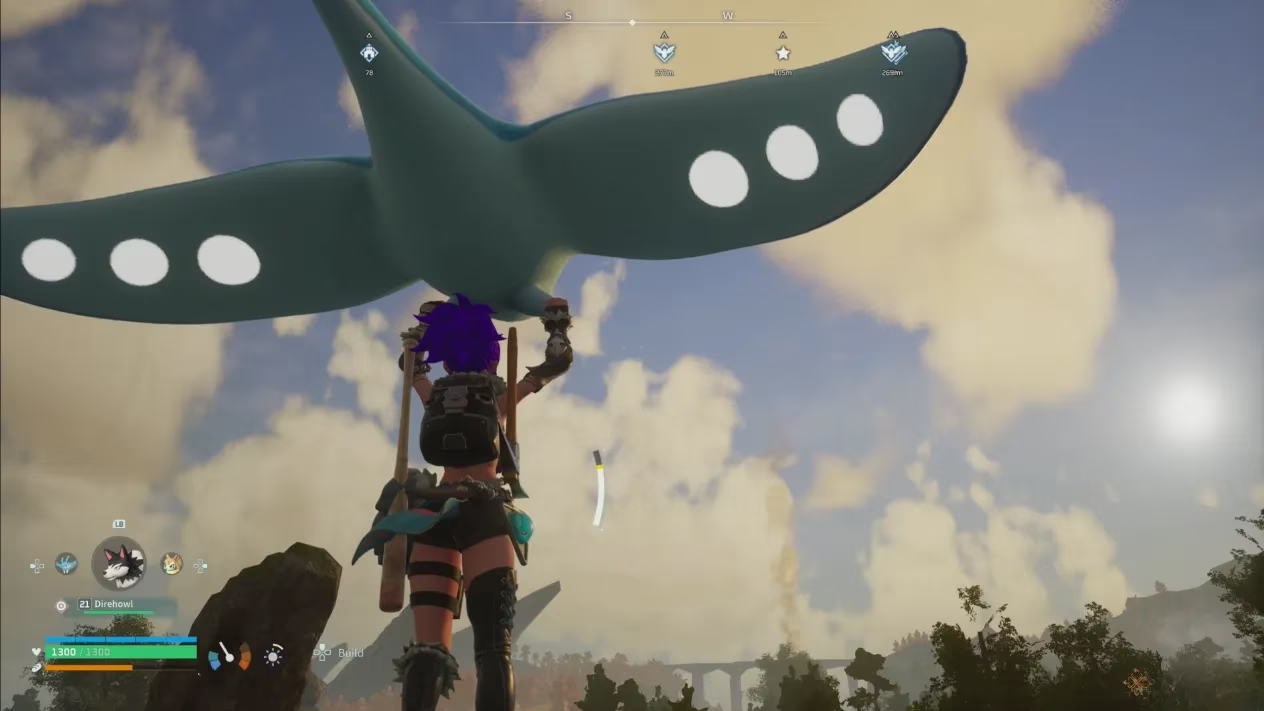
The first accusation is the hardest to prove and the easiest to amplify. There is no concrete public evidence that Palworld was made with generative AI. Its credits list several human character designers, and while some creature designs bear strong similarities to Pokémon, that alone is not proof of machine generation. Many games share visual DNA, and Palworld does not display the usual telltale signs associated with modern AI design. Its overall aesthetic does not fit neatly with the polished but often inconsistent look of generative AI creation.
The timeline also matters. Palworld was in development for a long time, with trailers featuring these designs dating back roughly three years before the game became a phenomenon. AI has advanced quickly, and it is easy to forget how different the tools looked during that earlier period. That long development window suggests substantial human input, perhaps entirely human input, behind the Pals.
Still, context fuels suspicion. Takuro Mizobe, CEO of Pocketpair, has been a noted admirer of AI. He has shared tweets praising the technology, including its ability to produce fake Pokémon designs, although none of those designs were used in Palworld. Pocketpair has also worked on an AI-focused game similar to Pictionary, in which AI is used to guess drawings. None of this proves that Palworld used AI, but it does explain why the studio is associated with an AI-fuelled future that many players fear.
The public reaction has split into two unsatisfying camps. One side treats any suspicion of AI as positive proof and shuts down discussion, arguing that anyone playing or supporting the game is damaging the industry. The other side shrugs and says the game is fun, so the AI question does not matter. Both reactions reveal that gaming still has a long way to go in safeguarding itself against AI. 🎮
🧬 The Pokémon Question: Similarity, History, and Tone

The second accusation concerns Pokémon. Several Palworld designs appear to be close recreations of Pokémon, whether made by human hands or by AI. That similarity is real enough to sustain the debate, but it is not unique in gaming history. Digimon might have faced similar accusations if it had launched today. Dragon Quest Monsters predates Pokémon, and several Pokémon designs appear heavily inspired by earlier monster-collecting games. Pokémon fans may argue that Pokémon built on existing artwork in an original way, while Palworld's models are more blatant, but the first two words of that defense matter: Pokémon fans.
Fandom shapes the conversation. Nintendo is so beloved that some fans root for it to sue anyone who might have wronged it. Games such as Temtem, Cassette Beasts, and Coromon have been cheered for their similarities to Pokémon. Palworld, by contrast, has faced calls for bankruptcy. AI misgivings are part of that backlash, but tone is likely another factor. Those other games were made with the reverence of fans who love Pokémon so much that they built their own version. Palworld feels more like a joke about giving creatures guns. Its marketing and its violent cruelty suggest that it is motivated by Pokémon's success more than by deep affection for the series. That should not make a legal difference, but it does affect public perception.
| Accusation | Support cited | Remaining uncertainty |
|---|---|---|
| AI-generated designs | Pocketpair's leadership has praised AI, and the studio has made AI experiments | No concrete proof; human designers are credited; old trailers exist; aesthetics do not match typical generative output |
| Pokémon plagiarism | Some designs look close to Pokémon, and marketing leans on guns | Many monster games share DNA; Dragon Quest Monsters predates Pokémon; Palworld's structure is a survival game |
| Concept theft | It borrows survival, crafting, and creature capture | Similarities also point to Ark, Rust, Breath of the Wild, Elden Ring, and Fortnite |
⚖️ The Plagiarism Question: More Than a Clone
The funny thing about Palworld is that it is not really like Pokémon at all. Cassette Beasts and Coromon ape much of the Pokémon formula, but Palworld is a completely different experience. It is a survival game with no home town, no starters, and no hero's path for the player character to walk. Players catch Pals by beating them up, which is different from Pokémon, and they use those Pals to battle. Even then, the battles are often against mini-kaiju Pals rather than gym leaders or rival trainers.
Being a survival game is nothing new, and that alone is not plagiarism. Military shooters share conventions without being called theft. Fortnite took its base battle royale idea from PUBG and later released an Among Us-style mode at the height of that game's popularity. Pocketpair may be an easier target because of its size, its unashamed support of AI, or its habit of copying popular concepts. If games copy one another all the time, why is Palworld different?
Deathloop director Dinga Bakaba offered a notable defense. As a relatively neutral party with no connection to Pocketpair beyond being a fellow developer, Bakaba became one of the most high-profile figures to push back against the discourse storm. Not every point in his argument is convincing. He defended accusations of laziness by noting that even copying and pasting mechanics in the same engine for a sequel is difficult, but there is an unavoidable laziness in stealing someone else's concept rather than devising a new one. Even so, his observation that Palworld shares far more similarities with Ark and Rust than with Pokémon, and just as many with Breath of the Wild, Elden Ring, and Fortnite, has been overlooked by many who write the game off as Pokémon plagiarism.
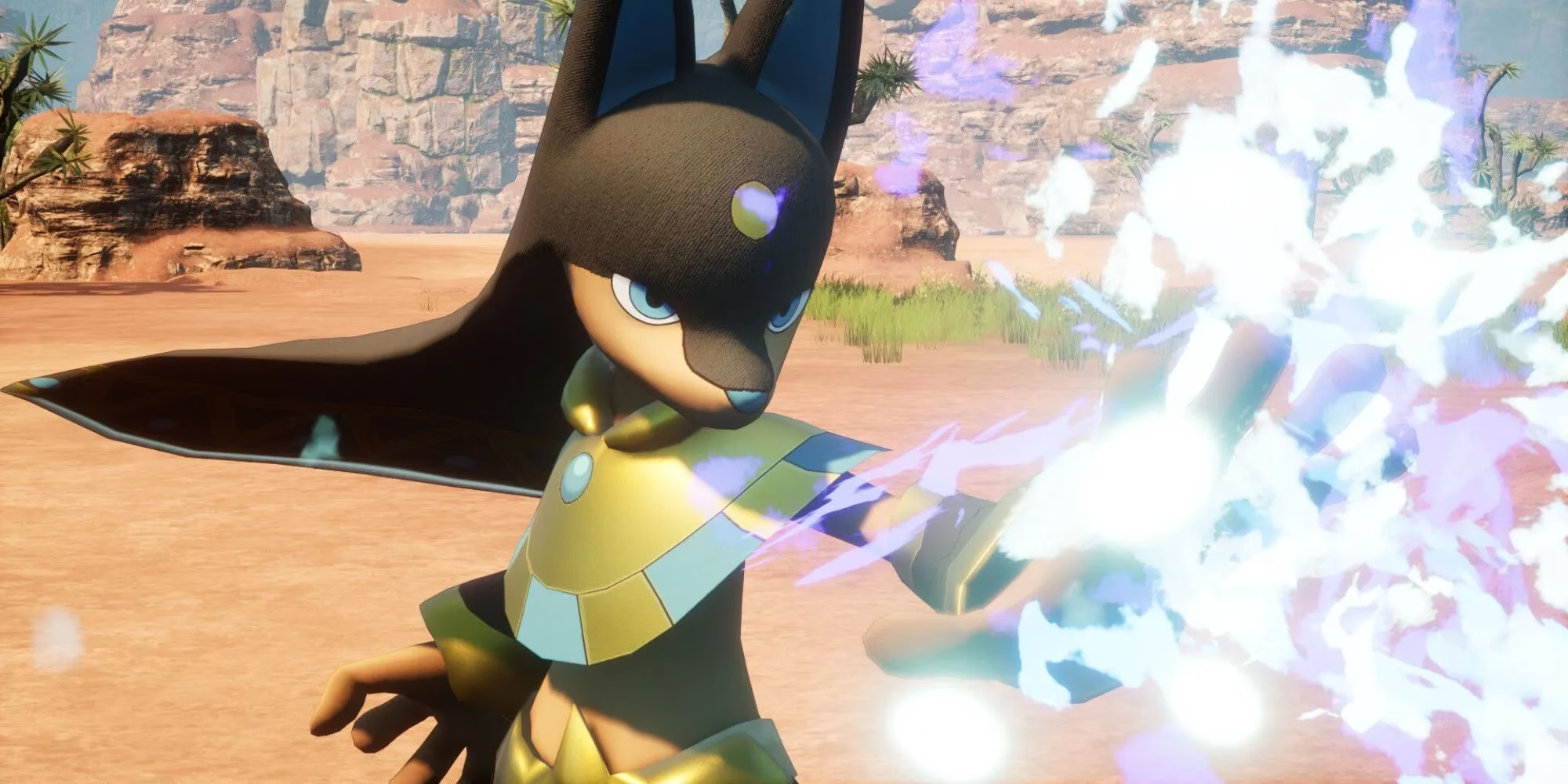
Copying Pokémon is also part of the point. Pokémon offers an idyllic world where creatures love being caught and forced to fight, and everything is hunky dory. Palworld challenges that view by injecting a harsher and more personal sense of violence while keeping the basic capturing and nurturing elements. It is less a Pokémon clone than an anti-Pokémon.
📊 Why Palworld Became the Flashpoint
The answer returns to the first question: why is Palworld different? The reasons are numerous. There is fear of AI and wider paranoia about the topic. The game agitated Pokémon fans who usually let clones slide. Its designs are more shameless. It is also incredibly popular, making it a natural water-cooler topic, and its January launch window meant the conversation had little competition.
One early hands-on impression described the game as derivative and empty, which is not unusual for an early access survival game. But the most interesting thing about Palworld is not whether every accusation is proven. It is the way the debate exposes gaming's unresolved attitudes toward AI, imitation, fandom, and originality. By 2026, that debate remains a useful lens for understanding how players decide which borrowings feel like homage and which feel like theft. Palworld may be derivative, but the argument around it has made it one of the most revealing games of its era. 🎮",
"title_note": "