A Settler’s Field Notes for LEGO Fortnite Base Building
Build a LEGO Fortnite base on a biome border and use blueprints to grow a safe, resource-rich village hub.
In my 2026 playthroughs of LEGO Fortnite, I still begin the same way: I walk the map until I find a seam between biomes, then I plant my first flag like a patient gardener staking a young tree. The game rewards curiosity, but it punishes a badly placed home. A base is not just a spawn point; it is a workshop, a pantry, a barracks, and a nursery for villagers. I learned to treat it as infrastructure first and decoration second.
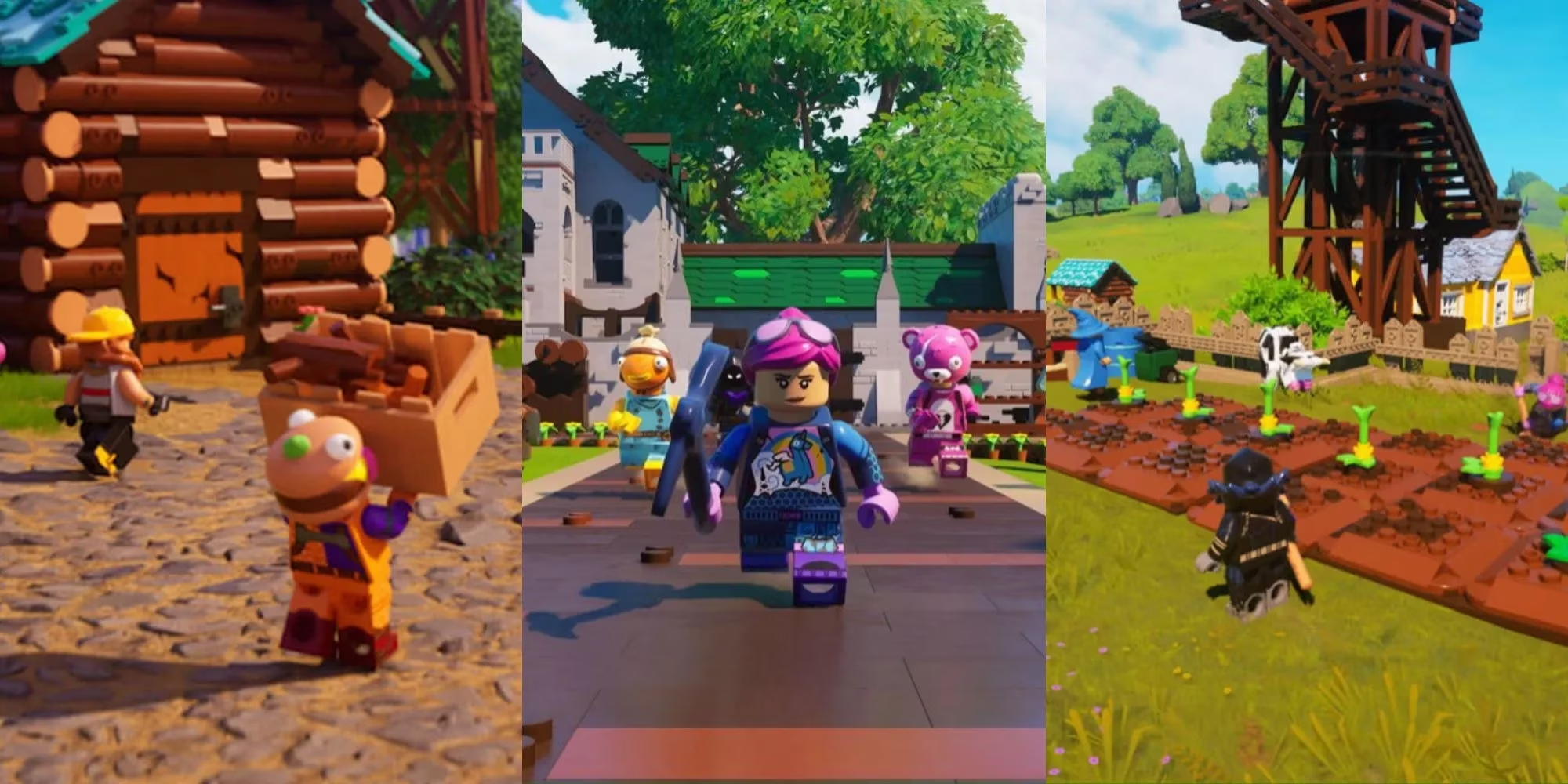
Let the Borderlands Be My Front Yard
I place my hub near multiple biomes whenever I can. Progression demands that I hack away at different trees, rocks, and monsters, and those resources are rarely packed into one tidy corner. If my main camp sits deep inside a single biome, every upgrade becomes a hiking holiday. If it sits on a border, I can step in one direction for one material and the other direction for something else. My border base is a lungfish burrow, letting me breathe in two worlds at once.
The border also gives me more interesting terrain. A flat patch of ground is easy to build on, but it is also boring. A slope, a ridge, or a natural choke point can become part of my defense and my layout. I would rather work with the land than flatten it into a parking lot.
Protect the Nest Before I Feather It
Early on, my low-level base is a soft target. Monsters can spawn alarmingly close at night, and if I am careless they swarm the hub, damage my structures, and knock out a villager or me. The simplest answer is a perimeter of walls and gates from the auto builder. I do not need a fortress on day one, but I do need a boundary that tells the night where it is allowed to go.
When I want to be safer, I raise the base on tall foundations or make it reachable only by balloon. That is not just a flex; it removes a whole category of nightly anxiety. I can spend my evenings crafting and organizing instead of playing whack-a-skeleton at the front gate.
Treat Blueprints as a Jazz Lead Sheet
Auto-build blueprints are one of the most convenient ways to upgrade my village hub and make room for followers and stations. They cost resources, but they save me from nudging every block into place while my patience leaks out through my ears. A blueprint is a jazz lead sheet: it gives me the chord changes, but I decide where to improvise.
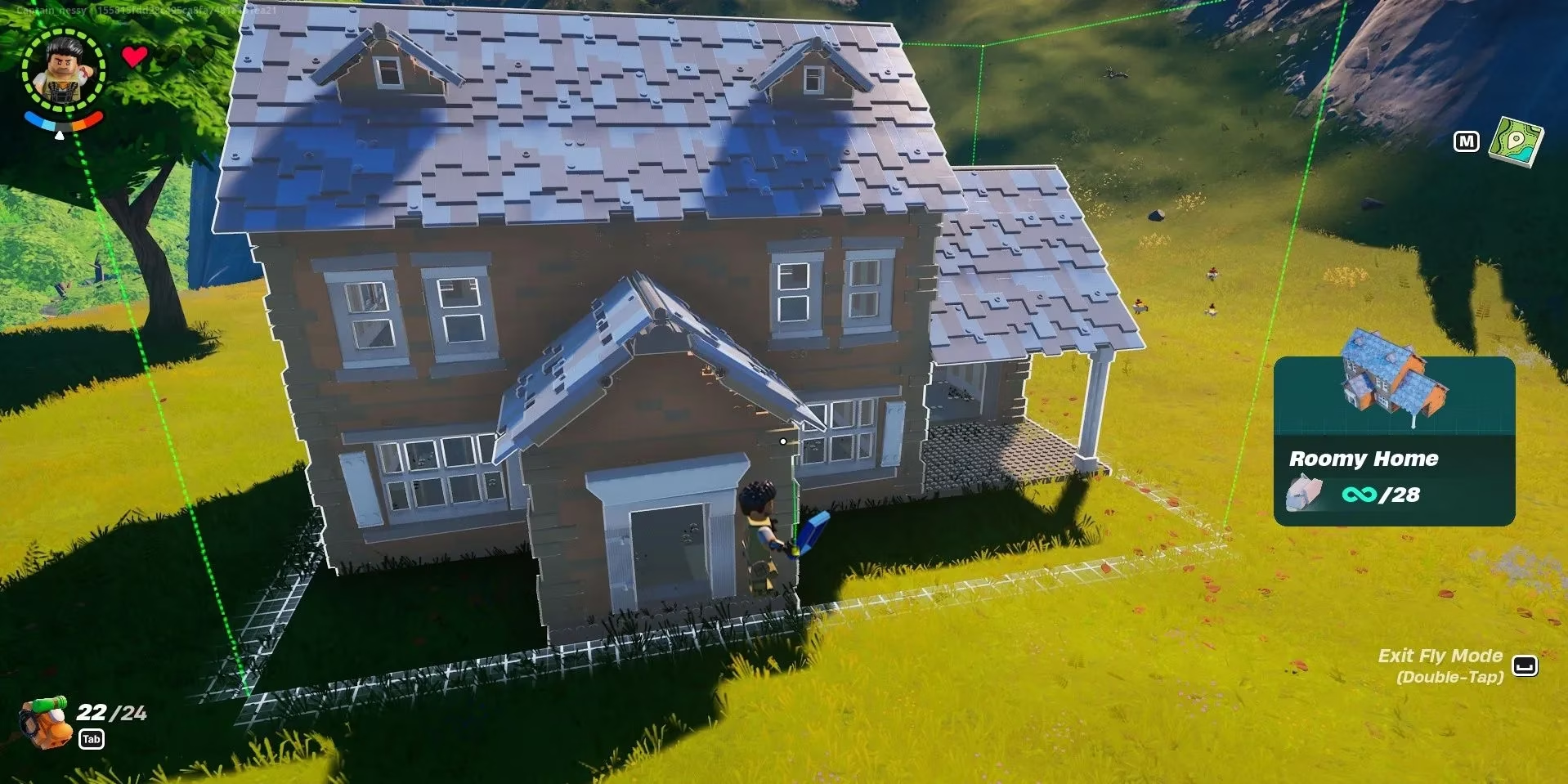
Once a shack or log cabin is complete, I am not locked into the final form. I remove walls and floors, add doors and windows, and sometimes combine multiple blueprints into larger structures. That freedom matters because a village should grow like a story, not like a spreadsheet. I keep the useful bones and change the skin.
Draw the Layout Like a River Delta
I plan where buildings will go before I surround everything with walls. Storage and stations keep growing, and a layout that ignores that fact becomes a maze of accidental collisions. My layout should behave like a river delta, with clear channels for movement and room for new branches. I want to walk from the workbench to storage without bouncing off every structure like a pinball.
| Move | Why I do it | Payoff |
|---|---|---|
| Place the hub on a biome border | More resources within a short walk | Less travel time and faster upgrades |
| Wall the perimeter early | Night monsters can spawn close | Fewer surprise attacks and repairs |
| Upgrade the village hub first | Unlocks better plans and more villagers | A stronger long-term settlement |
| Build satellite camps | Extra recruitment and harvesting points | Useful waypoints far from home |
| Recruit a follower | Help with combat, harvesting, and building | Fewer interruptions and faster projects |
Trap Animals with a Breadcrumb Trail
LEGO Fortnite does not make it easy to tame and trap friendly creatures such as cows and chickens, but those animals matter if I want a steady supply of fertilizer, eggs, and milk. My method is simple: I leave a breadcrumb trail of food on the ground and lead the animal into a fenced-off area. Then I place the final piece and close the trap.
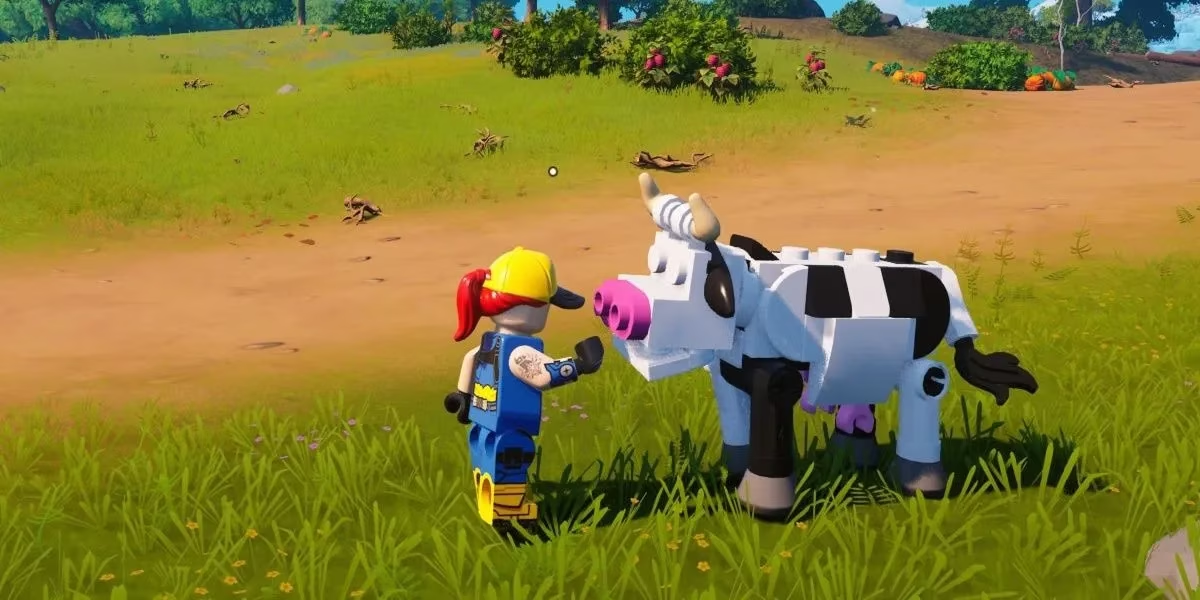
This can be frustrating. Animals wander, fences get in the way, and the whole process feels like herding clouds. In the long run, though, it saves me from chasing chickens across the map every time I need a simple resource.
Make the Hub the Beating Heart
I may want my base to look grand immediately, but the village hub is the hurdle I must cross first. Until I upgrade it to the final level, I do not get access to the best building plans and decorative pieces. The hub also lets me recruit more villagers and assign them to harvest rare resources or manage farm plots. That saves me from doing everything myself and lets me focus on exploration, combat, and the next big build.
Use Satellite Camps as Pocket Lighthouses
I do not have to stay in one camp for an entire playthrough. Multiple camps let me recruit more villagers than normal and harvest twice as many resources. I also use them as waypoints near distant points of interest, like pocket lighthouses that guide me back to a workbench when my tools are broken and my inventory is full.
These satellite camps do not need the same commitment as my main base. They need just enough structure to support a workbench, a bed, and perhaps a villager or two. There is no penalty for making as many village hubs as I need, so I spread them out like useful little anchors.
Enlist a Follower
On a solo server, one of the best jobs I can give a villager is to recruit them as a follower. They help in combat, but the real value is in the small moments: they harvest materials, reduce building time, and attack enemies while I keep chopping. A good follower is a pocket lighthouse in the dark, keeping me oriented and useful when the night gets crowded.
By 2026, my routine has not changed much. I scout the border, wall the nest, bend the blueprints, plan the delta, trap the animals, upgrade the hub, and send out satellite camps. LEGO Fortnite is still a game about building a home in a wild place. I just try to build mine like someone who intends to stay.